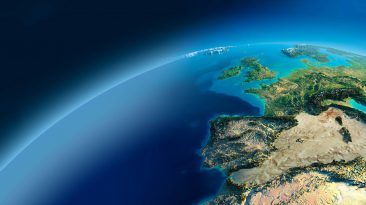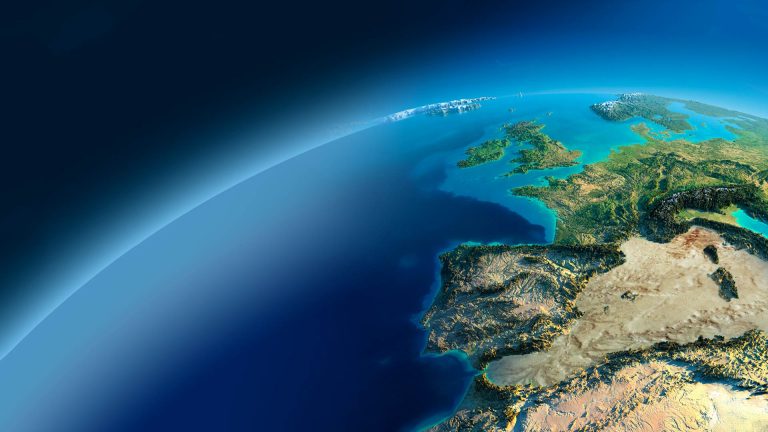
Imagine the Mediterranean Sea slowly disappearing. Ancient shipwrecks would emerge from the seafloor, islands would become mountains, and Europe and Africa would eventually be connected by land. It sounds impossible, but what would really happen if the Mediterranean was drained?
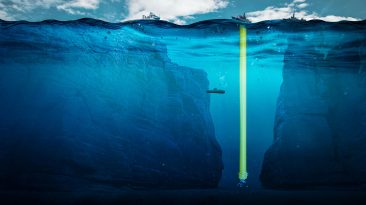
The idea isn’t new. In the 1920s, German architect Herman Sörgel proposed building a massive dam across the Strait of Gibraltar. By cutting off the Mediterranean’s main supply of Atlantic water, evaporation would slowly lower the sea level and expose vast areas of new land. The project was never built, but the concept still fascinates scientists and engineers today.
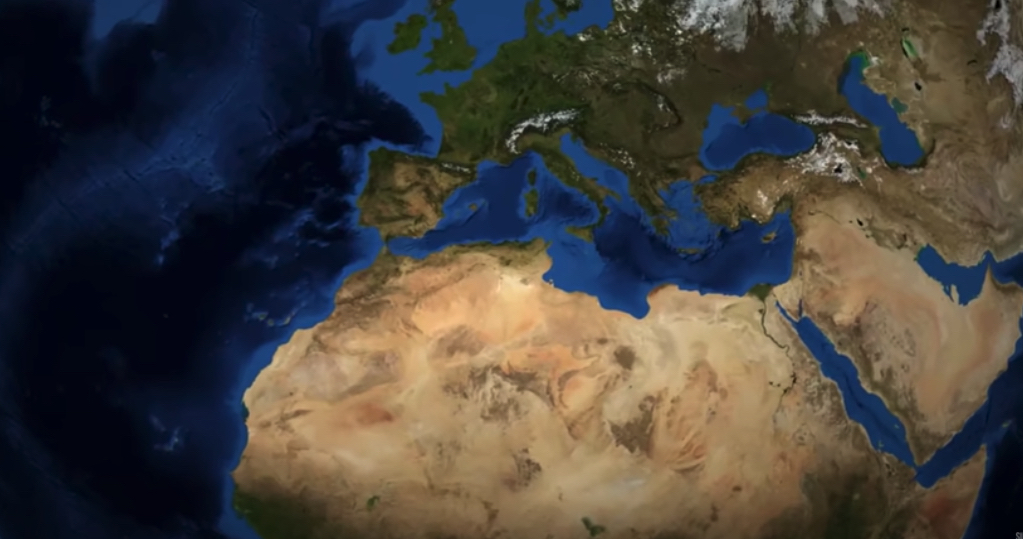
The Mediterranean covers about 2.5 million sq km (965,000 sq mi) and loses more water through evaporation than it gains from rivers. Most of its water enters through the Strait of Gibraltar. If that flow stopped, the sea would gradually shrink by about 1.65 m (5.4 ft) every year.
At first, the changes might seem exciting. New coastlines would appear, old ports would be left stranded far inland, and thousands of square kilometers of new land would emerge.
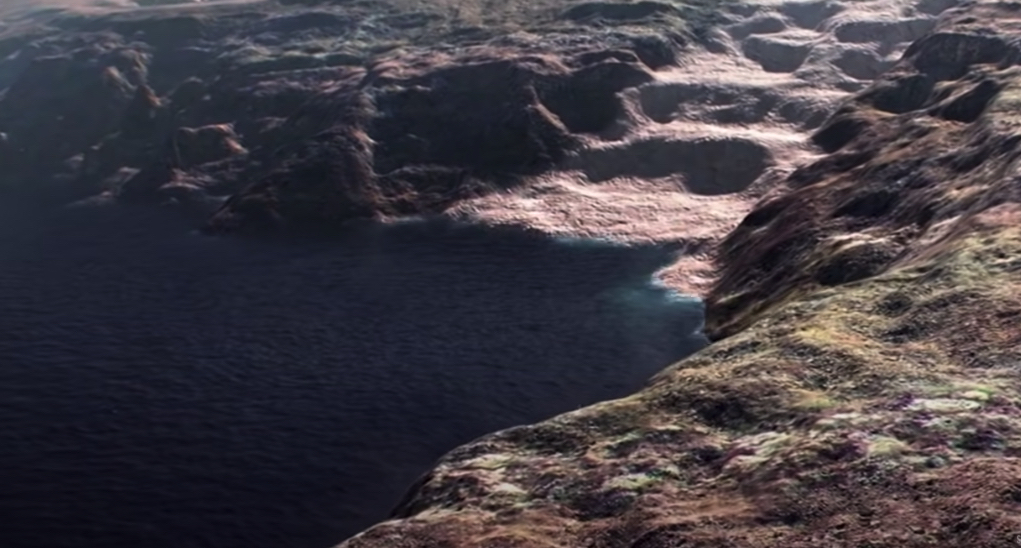
Some proposals even suggest using the enormous difference in water levels to generate hydroelectric power, supplying renewable electricity to Europe and Africa. But that’s where the benefits would largely end.
The newly exposed basin would become one of the harshest places on Earth. Since much of the seafloor lies thousands of meters below sea level, temperatures could soar to nearly 80°C (176°F). Instead of fertile land, the basin would mostly be covered by thick salt deposits left behind as the seawater evaporated.
As the sea vanished, something even stranger would begin happening to the planet. The Mediterranean plays a major role in regulating regional weather. Without it, rainfall across Southern Europe, North Africa, and parts of the Middle East would decline dramatically. Forests could disappear, farmland would dry out, and deserts would continue spreading.
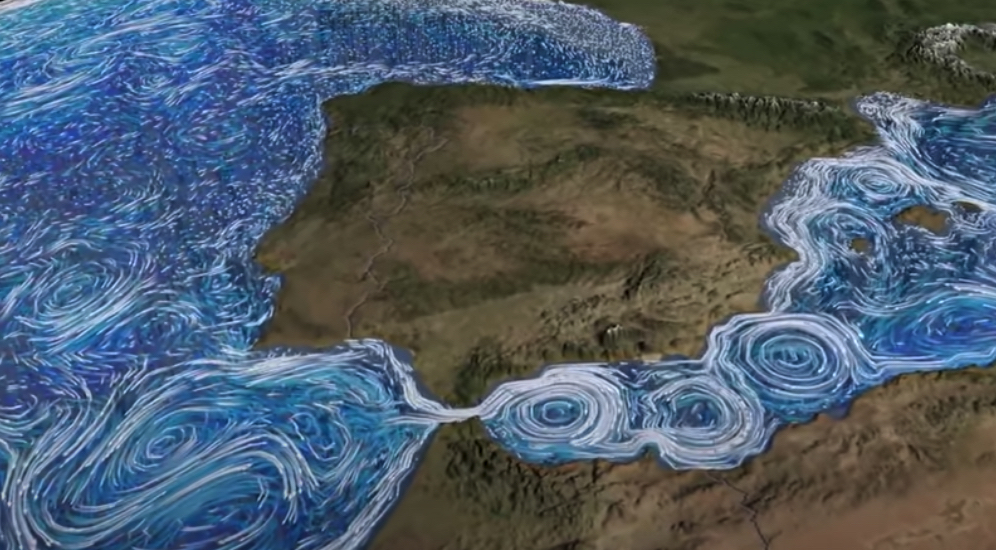
Marine life would also collapse. Fish, dolphins, seals, and countless other species would lose their habitat as the remaining water became increasingly shallow and salty. Coastal ecosystems that have existed for millions of years would disappear.
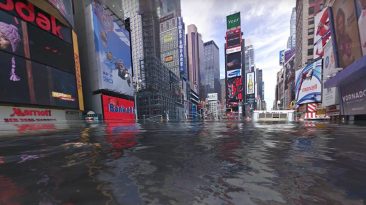
The environmental effects wouldn’t stop there. Redistributing such an enormous amount of water into the world’s oceans could raise global sea levels by around 10 m (32 ft), flooding many of today’s major coastal cities. Millions of people would be forced to relocate while entire regions disappeared beneath the waves.
Draining the Mediterranean might create a new land bridge between Europe and Africa, but the cost would be enormous. Instead of opening new opportunities, it would transform climates, destroy ecosystems, and reshape coastlines around the world. Sometimes leaving nature alone is the safest choice.