Everyone knows soda isn’t great for you. That’s not exactly a revelation. But there’s a difference between having one with lunch and making it the only thing you drink for a month.
Because that’s the setup here. No water. No juice. No tea. Just Coca Cola, thirty days straight.
It’s still a liquid, so at first it doesn’t sound catastrophic. Then you remember what water actually does in there. Regulating your temperature, helping you digest food, moving nutrients around, keeping basically every organ working. Swapping all that out for sugar and acid gets strange fast.
Start with the sugar, because that’s where the numbers get silly.
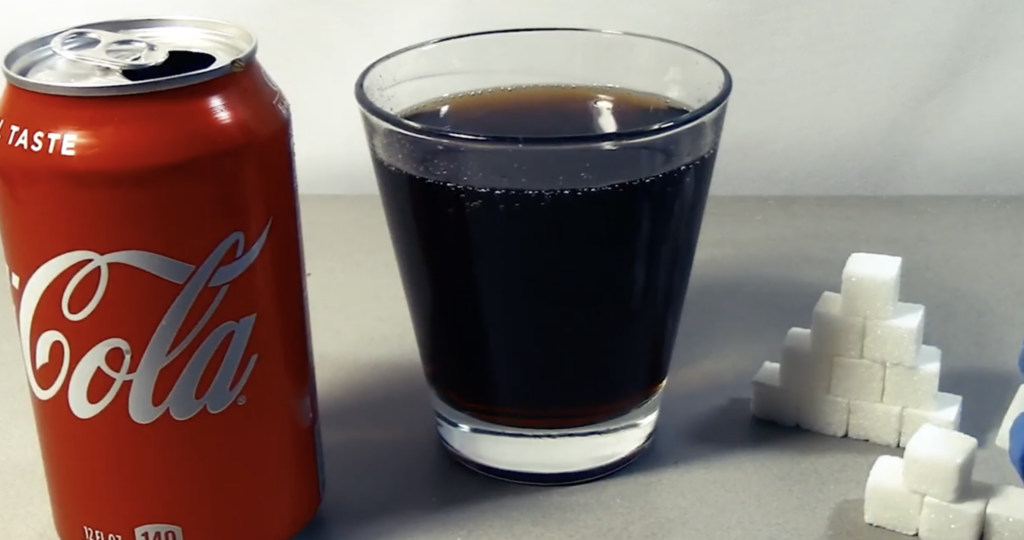
One 355 ml can holds about 39 g of sugar. Health guidelines suggest keeping added sugar to roughly that amount for a whole day. One can, and you’re done.
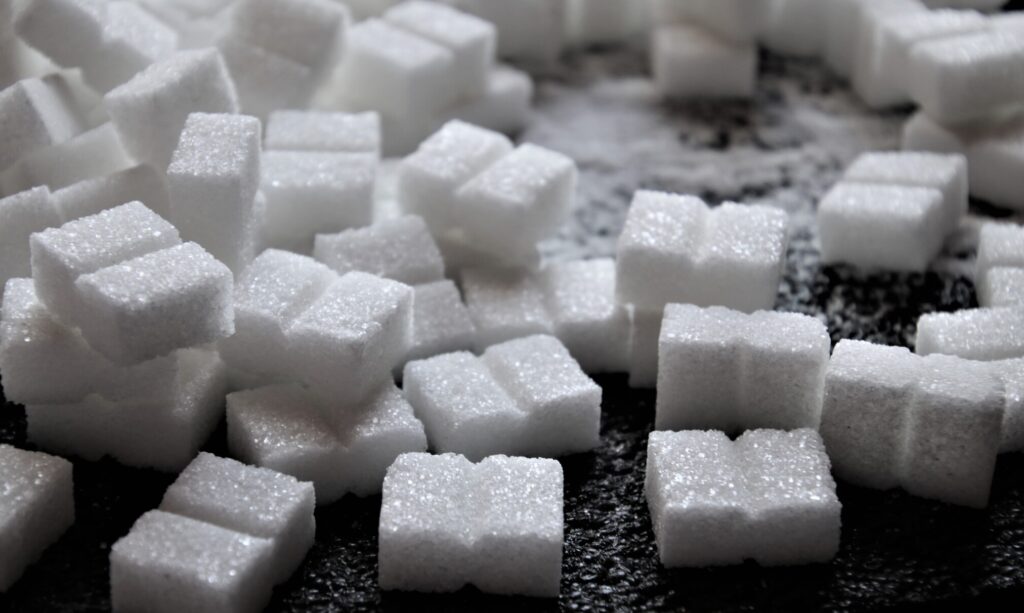
Except most adults need somewhere between 3 and 4 liters of fluid daily. Get all of that from Coke and you’re drinking more than eight cans a day, which lands you well past 300 g of sugar and thousands of extra calories a week.
Oddly, the first few days might feel fine. Better than fine, even. Sugar and caffeine together give you real bursts of energy and alertness, and for a little while you’d probably think you’d gotten away with it.
You haven’t. Every spike comes with a crash, and each crash leaves you tired and wanting more sugar to climb back out of it.
By the end of week one, the scale would probably notice before you did.
Part of the problem is that liquid calories don’t fill you up the way food does. You’d drink all those calories and then eat your normal meals anyway, because your body never got the signal that anything substantial arrived.
Some research also suggests sugary drinks push you toward processed food in general. So you’d likely find yourself reaching for chips, dessert, and takeaway more than usual, without really connecting it to what you’re drinking.
And sugar is only half of it. Coca Cola is also seriously acidic.
That acidity is part of why it tastes sharp and good. Drink enough of it and your stomach starts objecting, usually through indigestion, discomfort, reflux, and bloating that doesn’t seem to have an obvious cause.
Your teeth take the worse deal.
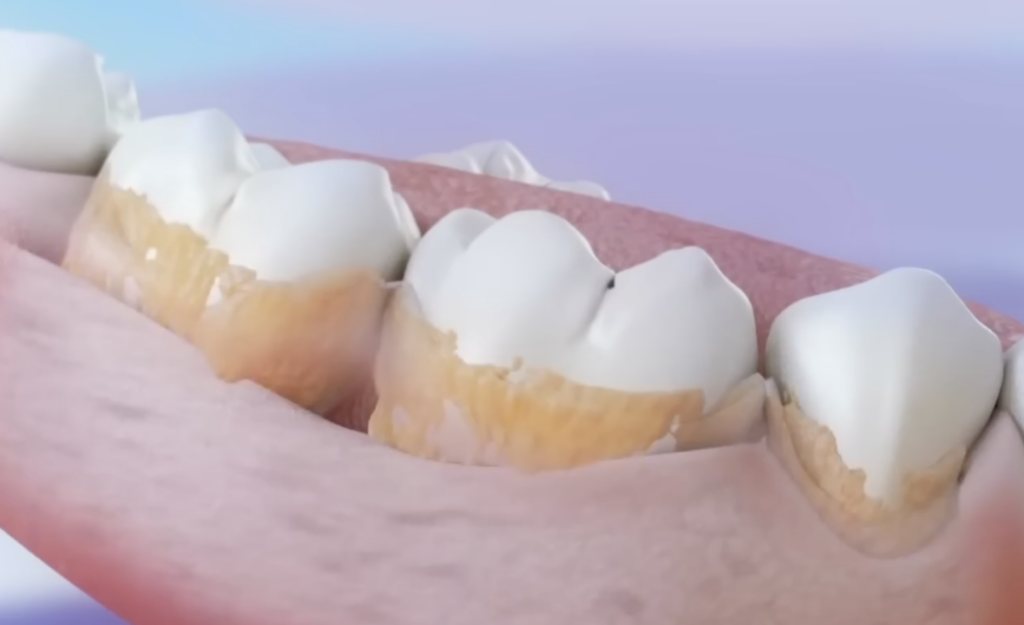
Enamel is the hard shell protecting each tooth, and acid wears it down slowly. Now add hundreds of grams of sugar every single day, and your mouth turns into an ideal environment for the bacteria that cause cavities. By day thirty you’d likely have sensitive teeth and an unpleasant conversation waiting at your next dental appointment.
Somewhere in weeks two and three, missing actual water starts catching up with you.
There is water in Coca Cola, technically. It just isn’t a reasonable substitute at this volume. Dry skin, cracked lips, and headaches would be common, and plenty of people would simply feel sluggish without being able to explain why.
Then there’s the caffeine, quietly stacking up across eight or more cans a day. That can mean restlessness, trouble falling asleep, and in some people, the occasional heart flutter.
Bad sleep makes everything else worse, too. Exhausted people crave sugar, and you’d already be swimming in it.
By the end of the month, your body would be under genuine strain. Too much sugar, too many calories, not enough hydration, and no nutritional variety at all. Together those raise your risk of weight gain and insulin resistance, which over longer periods connect to type 2 diabetes and other metabolic problems.
You could also end up short on nutrients. Not because soda removes them, but because a habit like this tends to wreck the rest of your diet around it. Feeling unwell, tired, or occasionally dizzy after thirty days wouldn’t surprise anyone.
Here’s the encouraging part, though.
There have been cases of people drinking Coca Cola in huge quantities for years who recovered once they changed course. Bodies are stubborn things, and going back to water and a normal diet lets a lot of that damage settle down over time.
None of which makes the experiment worth running. An occasional soft drink is fine for most people. Making it your only drink for a month mainly buys you weight gain, worn teeth, an unhappy stomach, ruined sleep, and a brand new appreciation for a plain glass of water.