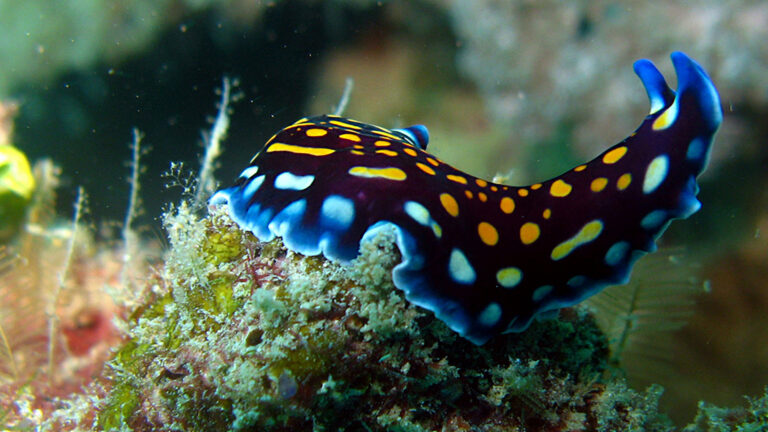
In the underwater world, finding a mate can require some unusual strategies. While many animals compete with strength, colors, or displays of dominance, one tiny ocean creature has developed a mating ritual unlike anything else on Earth.
The Persian carpet flatworm does not simply search for a partner. Instead, two flatworms engage in a bizarre duel where they fight using their own reproductive organs.
Yes, these colorful marine worms literally fence with their penises.
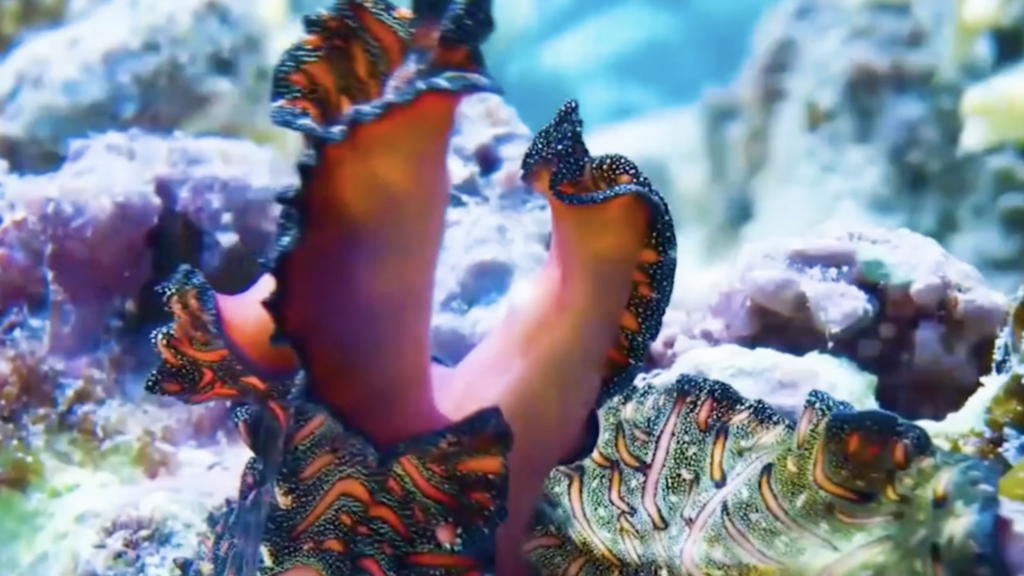
Persian carpet flatworms are found in shallow, warm waters throughout the Indo West Pacific region. They are known for their bright colors and detailed patterns, which make them resemble a moving underwater carpet.
But beneath their beautiful appearance is one of the strangest mating behaviors ever discovered.
These flatworms are hermaphrodites, meaning each individual has both male and female reproductive organs. A single worm can produce sperm and eggs, allowing it to either fertilize another worm or become fertilized itself.
This creates a unique problem. Every flatworm wants to pass on its genes, but carrying eggs requires much more energy than simply providing sperm.
Because of this, mating becomes a competition.
When two Persian carpet flatworms meet, they begin a battle known as penis fencing. Each worm uses its two penises like tiny swords, trying to inject sperm into the body of its opponent while avoiding being stabbed itself.
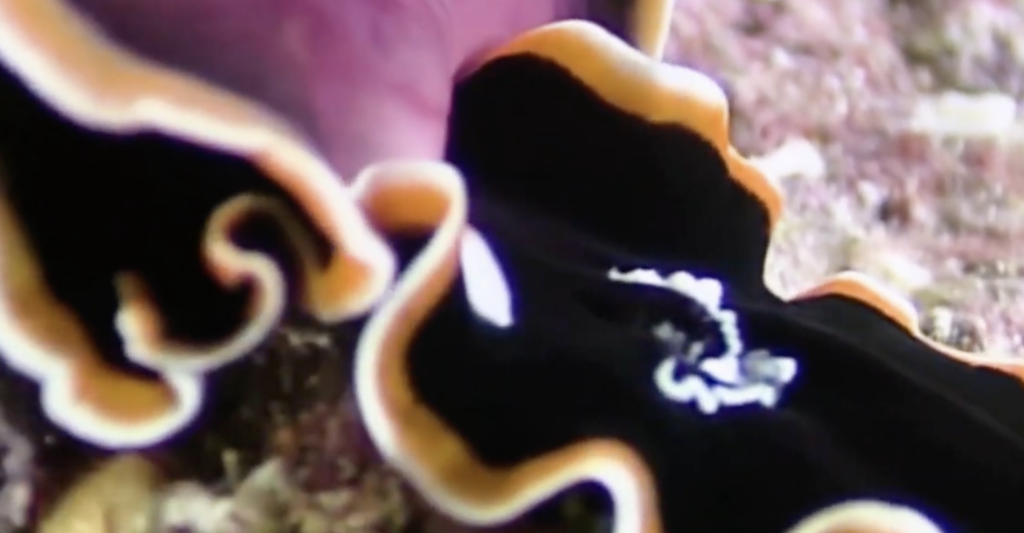
The goal is simple: win the fight and avoid becoming the one that carries the eggs.
The flatworm that successfully injects its sperm becomes the father, while the losing worm takes on the role of the mother. The sperm is deposited beneath the opponent’s skin through a process called hypodermic insemination.
From there, the sperm travels through the body until it reaches the ovaries and fertilizes the eggs.
These battles are not quick. A mating duel can last up to an hour, with both worms aggressively attacking each other. The fights can leave the animals with permanent injuries from the repeated stabs.
However, the risks are worth it from an evolutionary perspective. The winning flatworm can move on and repeat the process with other partners, spreading its genes without spending the extra energy required to carry developing eggs.
The losing worm must recover from the injuries and prepare for pregnancy.
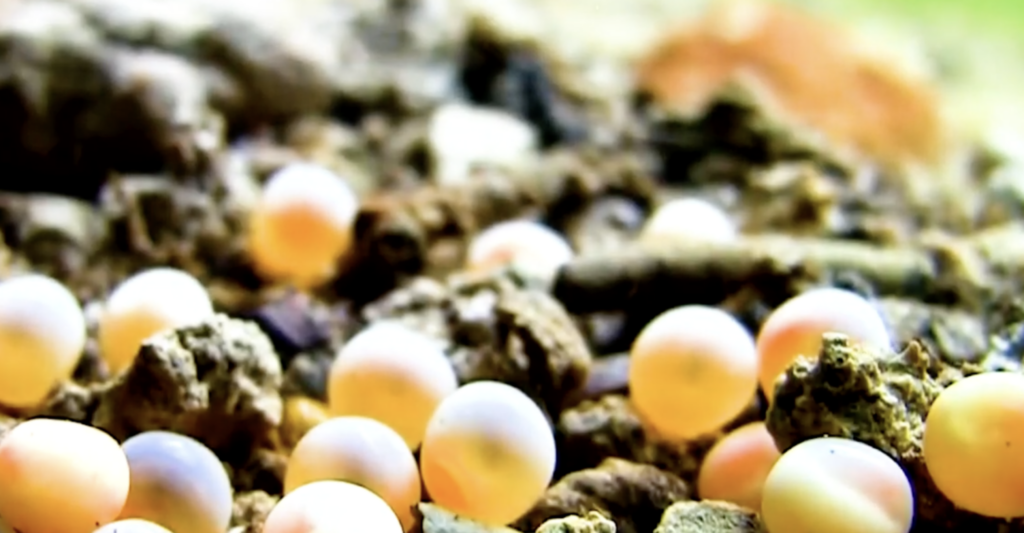
Once fertilized, the flatworm begins producing eggs. It creates protective capsules around them and eventually lays hundreds of eggs in thin sheets attached to surfaces underwater.
The eggs remain protected for around 10 days before hatching into larvae, beginning the next generation of these unusual creatures.
Although Persian carpet flatworms may look similar to other colorful ocean animals, they should not be confused with nudibranchs, another group of vibrant marine creatures. Some nudibranch species have their own incredible abilities, including stealing defensive chemicals from other animals.
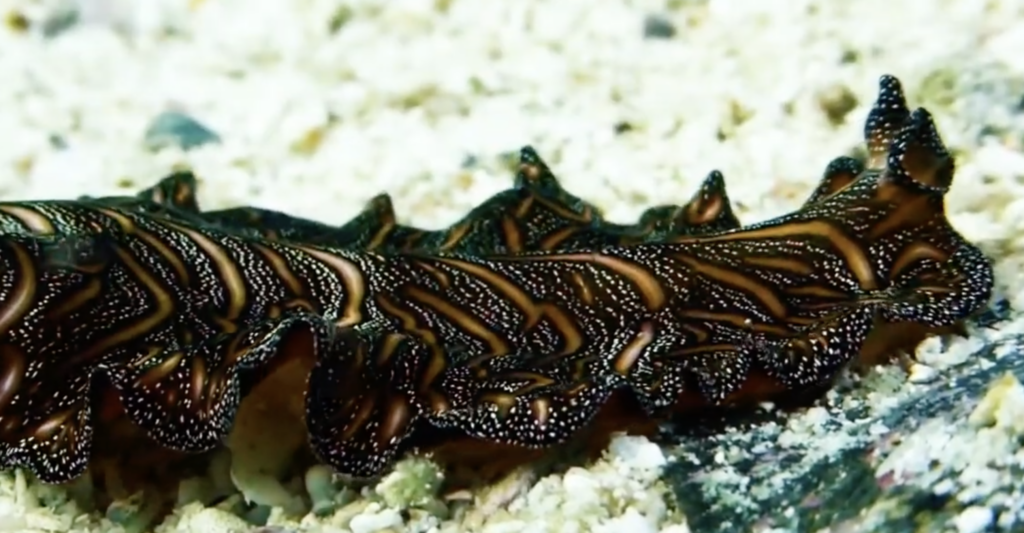
The Persian carpet flatworm stands out for a completely different reason. Its beautiful appearance hides one of the strangest survival strategies in nature.
Instead of simply searching for a mate, these worms turn reproduction into a dramatic underwater battle where the winner determines who becomes the parent. It is one of the most unusual examples of evolution creating a solution to the challenges of survival.